
Leaning Tree Warning Signs: When a Tree May Be Unsafe
A tree can add beauty, shade, privacy, and value to your property. But when a tree begins to lean noticeably, many homeowners start asking the same question: Is this tree still safe? In some cases, a slight lean may be natural and harmless. In others, it can be a serious warning that the tree is unstable and at risk of falling.
At 7 Kings Landscaping, we help property owners identify outdoor hazards before they cause costly damage or safety risks. If you have concerns about a leaning tree, understanding the warning signs can help you take action early.
Is It Normal for a Tree to Lean?
Some trees naturally grow at a slight angle. They may lean toward sunlight, adapt to nearby structures, or develop in that direction over many years. If the lean has remained unchanged for a long time and the tree appears healthy, it may not be an immediate issue.
The concern usually begins when a tree suddenly starts leaning more than before, especially after storms, heavy rain, wind, or visible ground movement. A changing lean can point to deeper tree stability problems below the surface.
Why Leaning Trees Can Become Dangerous
A leaning tree may indicate that roots are damaged, soil is shifting, or the trunk has weakened. If those issues worsen, the tree could fail during strong winds or severe weather. That can create major storm safety concerns, such as:
- Damage to your home or roof
- Fallen limbs blocking driveways or streets
- Injury risk to family members or neighbors
- Damage to fences, sheds, or vehicles
- Power line hazards
Because trees often fail with little warning once they become unstable, early inspection matters.
Leaning Tree Warning Signs to Watch For
Not every leaning tree is dangerous, but certain symptoms should be taken seriously.
1. The Lean Appeared Recently
If the tree has always leaned slightly, that may be normal. If the angle changed recently, it could mean roots are shifting or failing. A sudden lean after a storm should always be evaluated quickly.
2. Exposed or Lifted Roots
Roots help anchor the tree in place. If you notice roots lifting out of the ground, exposed roots, or cracked soil near the base, the tree may be losing support. This is one of the clearest leaning tree warning signs.
3. Cracks in the Soil Around the Base
When the ground begins separating or cracking near the trunk, it may mean the root plate is moving underground. This often happens after heavy rainfall, saturated soil, or erosion.
4. Soil Erosion Around the Tree
Soil erosion can slowly remove support around root systems. Water runoff, drainage issues, or sloped yards can weaken the ground holding a tree upright. If soil has washed away near the trunk, the tree may be less stable than it appears.
5. Splits or Cracks in the Trunk
Visible trunk damage is a serious concern. Long cracks, hollow sections, or splitting wood may indicate structural weakness. A leaning tree with trunk damage should be inspected promptly.
6. Dead or Falling Branches
If the canopy is thinning, limbs are dying, or branches are dropping regularly, the tree may already be under stress. Poor health often reduces a tree’s ability to withstand wind and weather.
7. Movement During Moderate Wind
Some movement is normal, but if the tree shifts dramatically in mild wind or you can see the ground lifting near the base, stability may be compromised. That should not be ignored.
Why Storm Safety Matters in Texas
In Central Texas, storms can bring sudden wind gusts, heavy rain, and saturated soil conditions. A tree that seems stable on a calm day may fail quickly during severe weather.
That is why storm safety should include checking trees before storm season and after major weather events. Identifying a dangerous lean early may prevent property damage later.
What Causes a Tree to Start Leaning?
Several issues can lead to a leaning tree:
- Root decay
- Soil erosion
- Poor drainage
- Storm wind damage
- Saturated soil after heavy rain
- Construction damage near roots
- Pest or disease problems
- Natural imbalance from canopy growth
Sometimes more than one factor is involved.
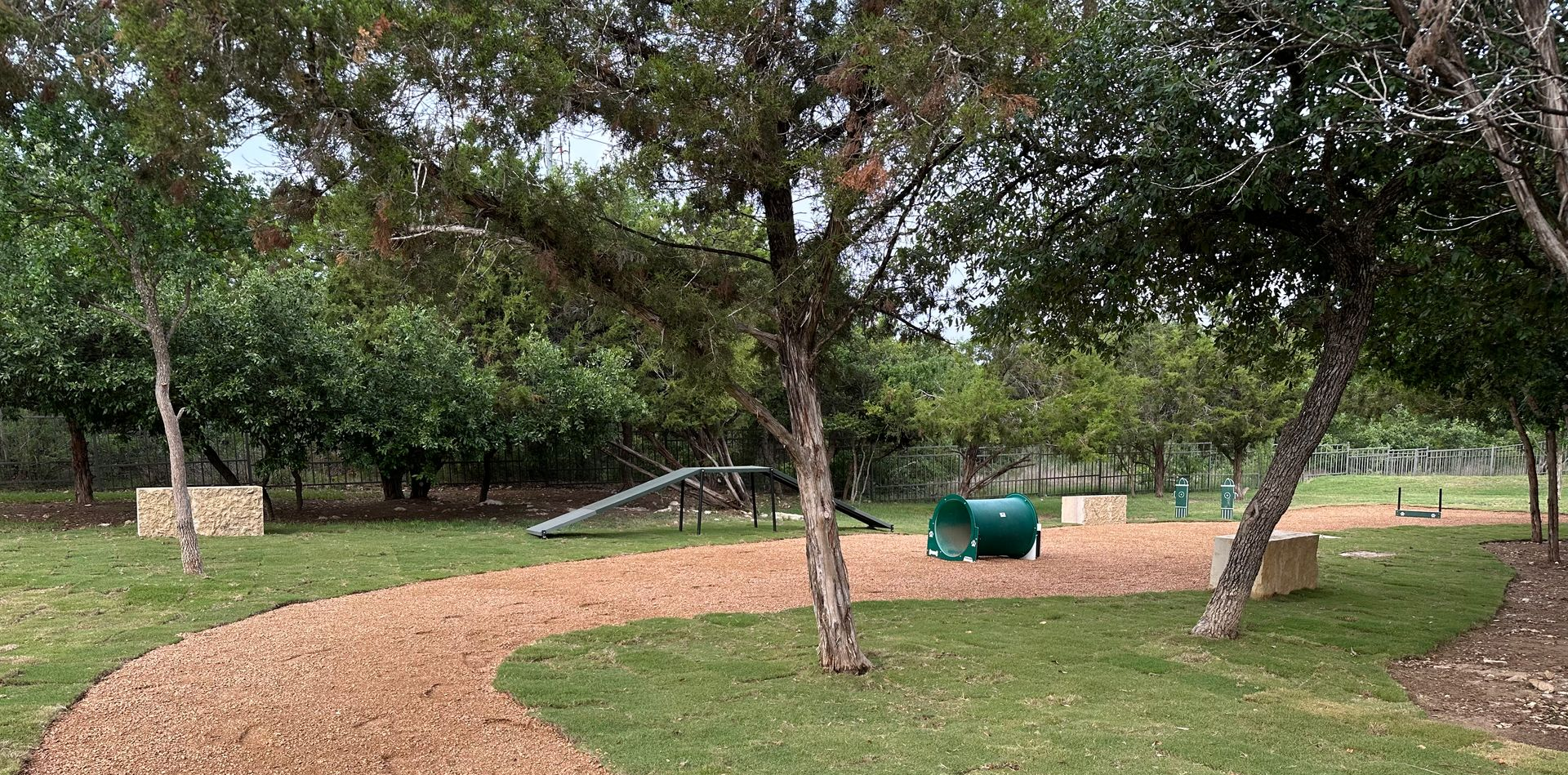
What to Do if You Notice a Leaning Tree
If you suspect a tree may be unsafe:
Avoid Parking or Gathering Nearby
Do not park vehicles or spend time under the tree until it has been evaluated.
Look for Recent Changes
Compare the current lean to older photos if possible. A new angle is more concerning than a long-standing lean.
Check the Ground
Look for cracked soil, exposed roots, or erosion.
Schedule a Professional Assessment
A qualified professional can determine whether trimming, support measures, monitoring, or removal is the safest next step.
Can a Leaning Tree Be Saved?
Sometimes yes. If caught early, certain trees can be stabilized depending on species, age, root condition, and severity of the lean. In other cases, removal may be the safest and most practical option.
Every tree is different, which is why inspection matters more than guessing.
How 7 Kings Landscaping Can Help
At 7 Kings Landscaping, we help homeowners identify outdoor hazards, improve tree safety, and address landscape issues that affect tree stability. If you have concerns about a leaning tree, soil erosion, or storm safety around your property, our team is ready to help. Whether the issue involves trimming, cleanup, drainage concerns, or next-step recommendations, we can help you move forward with confidence.
Don’t Ignore Leaning Tree Warning Signs
A leaning tree may be harmless—or it may be a sign of serious instability. The safest move is to evaluate the issue early before weather or time makes it worse. Contact 7 Kings Landscaping today if you have concerns about a leaning tree or other outdoor safety issues on your property.