
Seasonal Landscaping Changes Every Central Texas Homeowner Should Prepare For
7 Kings Landscaping • June 26, 2026
Your landscape changes with every season, whether you notice it or not. From the intense summer heat to periods of heavy rain and occasional winter freezes, Central Texas weather constantly impacts the health of your lawn, trees, shrubs, and flower beds.
Understanding seasonal landscaping changes allows homeowners to stay ahead of potential problems instead of reacting after damage has already occurred. By recognizing how temperature shifts, changing rainfall cycles, and plant stress affect your yard throughout the year, you can keep your landscape healthy, attractive, and easier to maintain.
Whether you live in Austin, Round Rock, Cedar Park, Georgetown, Pflugerville, or the surrounding communities, proactively managing seasonal landscaping changes can protect your investment while improving your home's curb appeal.
How Seasonal Landscaping Changes Impact Your Outdoor Space
No two seasons place the same demands on your landscape. Grass, trees, shrubs, and ornamental plants all respond differently as weather conditions change throughout the year. Ignoring these natural cycles can eventually lead to:
- Thin or patchy lawns
- Stressed trees and shrubs
- Increased weed growth
- Soil erosion
- Drainage issues
- Higher irrigation costs
- Premature plant replacement
Making small adjustments throughout the year is far more cost-effective than replacing damaged landscaping later.
Understanding Temperature Shifts Throughout the Year
One of the biggest challenges for Central Texas landscapes is unpredictable weather. It's common to experience weeks of extreme heat, followed by cooler temperatures or sudden cold fronts. These temperature shifts influence nearly every part of your landscape.
Soil Conditions
As temperatures rise, soil dries out more quickly, making it harder for plants to absorb moisture and nutrients. Cooler weather slows evaporation but can leave soil overly saturated after rain.
Root Development
Healthy root systems depend on relatively stable growing conditions. Rapid temperature swings can slow root growth and make plants more vulnerable to drought or disease.
Lawn Performance
Warm-season grasses thrive during the Texas summer but require different care as temperatures begin cooling in the fall. Adjusting mowing height and watering schedules with the seasons helps maintain a healthier lawn year-round.
Why Rainfall Cycles Matter More Than You Think
Texas weather rarely provides consistent rainfall. Long dry periods are often followed by sudden downpours, creating very different challenges for homeowners. Changing rainfall cycles affects much more than watering schedules.
Extended Dry Weather
During prolonged dry spells, landscapes commonly experience:
- Dry or dormant turf
- Soil compaction
- Reduced plant growth
- Increased irrigation demands
A properly designed irrigation system helps maintain consistent soil moisture without wasting water.
Heavy Rain Events
Excessive rainfall can create problems just as quickly. Heavy storms may lead to:
- Standing water
- Soil erosion
- Root rot
- Washed-out mulch
- Nutrient loss
Proper grading, drainage improvements, and healthy soil help your landscape recover more quickly after severe weather.
Recognizing the Early Signs of Plant Stress
Plants often show warning signs long before permanent damage occurs. Identifying plant stress early allows homeowners to correct problems before replacement becomes necessary. Watch for these common symptoms:
Yellowing Leaves
Leaves turning yellow may indicate inconsistent watering, poor drainage, nutrient deficiencies, or root problems.
Wilting Plants
Plants that remain wilted despite regular watering often have compacted soil or damaged root systems, preventing proper water absorption.
Brown Leaf Edges
Scorched or crispy leaf edges frequently appear during extended periods of high heat when moisture evaporates faster than plants can replace it.
Premature Leaf Drop
Trees and shrubs sometimes shed leaves early to conserve energy during drought or other stressful growing conditions.
Routine landscape inspections make it much easier to catch these issues before they spread.
Seasonal Maintenance Tips for Central Texas Landscapes
Every season requires a slightly different maintenance strategy.
Spring
Spring is the ideal time to prepare your landscape for the growing season.
Focus on:
- Refreshing mulch
- Fertilizing lawns and plants
- Inspecting irrigation systems
- Planting trees and shrubs
- Pruning winter damage
- Preventing weeds before they spread
Summer
Summer maintenance focuses on protecting plants from heat and drought.
Prioritize:
- Deep, consistent watering
- Monitoring irrigation performance
- Watching for signs of plant stress
- Mowing at the proper height
- Inspecting for insects and disease
- Avoid heavy pruning during periods of extreme heat, as plants are already under additional stress.
Fall
Fall provides excellent growing conditions for many landscape improvements.
Recommended projects include:
- Seasonal pruning
- Lawn repairs
- Fertilization
- Leaf cleanup
- Tree and shrub installation
- Irrigation adjustments
Many homeowners are surprised to learn that fall is often the best time to install new landscaping in Texas because cooler temperatures encourage root development.
Winter
Although growth slows during winter, landscape care shouldn't stop.
Winter is a great time to:
- Remove damaged branches
- Protect sensitive plants during freezes
- Inspect drainage systems
- Plan landscape renovations for spring
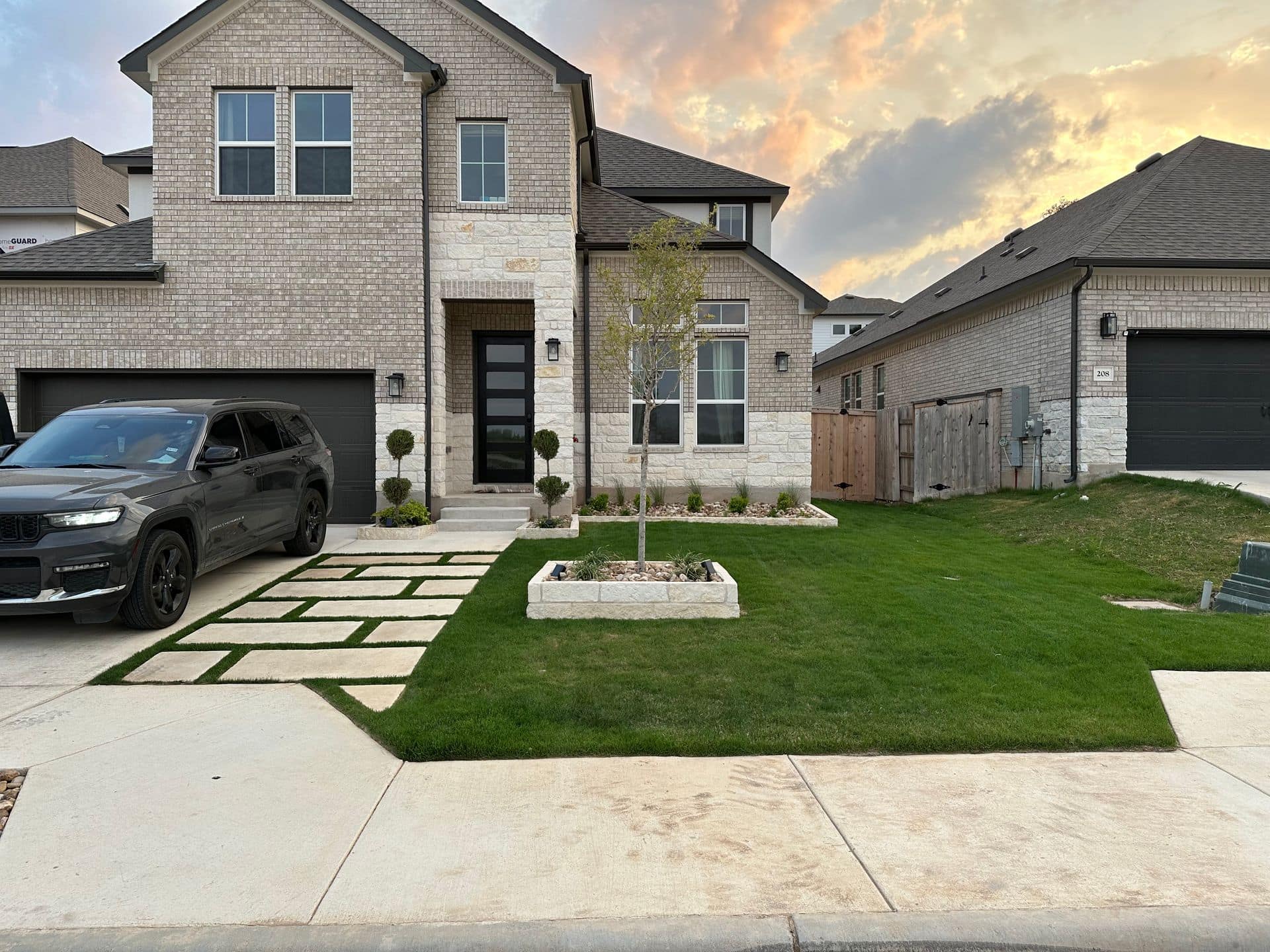
Create a Landscape That Handles Texas Weather
The healthiest landscapes aren't those that receive the most maintenance—they're the ones designed to thrive in local conditions. Professional landscape design considers:
- Native and drought-tolerant plant selection
- Efficient irrigation systems
- Proper drainage
- Soil improvement
- Seasonal maintenance planning
These features help your property better withstand seasonal landscaping changes in the unique Austin, TX environment while reducing long-term maintenance costs.
If you're considering improvements, this is also a great time to explore professional landscape design and installation services or upgrade your irrigation installation system to improve water efficiency year-round.
Why Routine Landscape Maintenance Pays Off
Small problems are much easier to fix than major ones. Regular maintenance allows professionals to identify irrigation issues, drainage concerns, pests, diseases, and developing plant stress before they become expensive repairs.
A customized maintenance plan also adjusts to seasonal weather instead of following the same schedule year-round, helping your landscape remain healthy through every season.
Keep Your Landscape Healthy Through Every Season
Central Texas weather is constantly changing, but your landscape doesn't have to suffer because of it. Understanding seasonal landscaping changes and responding to changing weather conditions can keep your lawn, trees, and plants healthy all year long.
At 7 Kings Landscaping, we help homeowners navigate seasonal landscaping changes throughout Austin, Round Rock, Cedar Park, Georgetown, Pflugerville, and nearby communities to maintain beautiful outdoor spaces with professional landscape maintenance, irrigation services, drainage solutions, and custom landscape design.
If your landscape is showing signs of plant stress, struggling with changing rainfall cycles, or simply needs a seasonal refresh, give our team a call at (512)696-9087 to request a free quote. We'll evaluate your property and recommend the right solutions to keep your landscape thriving throughout the year.
Frequently Asked Questions
How often should landscaping be adjusted throughout the year?
Most Central Texas landscapes benefit from seasonal maintenance at least four times a year, with additional irrigation adjustments during periods of extreme heat or drought to better manage seasonal landscaping changes.
Can extreme temperature changes permanently damage plants?
Yes. Sudden temperature swings can stress plants, weaken root systems, and increase their susceptibility to disease. Choosing climate-appropriate plants for Austin, TX and providing consistent maintenance can reduce this risk.
What causes plant stress during the summer?
High temperatures, inconsistent watering, compacted soil, poor drainage, pests, and nutrient deficiencies are some of the most common causes of plant stress in Texas landscapes.
Is fall a good time to install new landscaping?
Absolutely. Fall offers cooler temperatures that encourage root growth, making it one of the best seasons for planting trees, shrubs, and many ornamental plants in Central Texas.