
Sustainable Landscaping Practices That Make Sense for Austin Yards
In Austin, landscaping has to do more than look good. It has to handle long stretches of heat, changing rainfall patterns, tough soil conditions, and the reality of water restrictions. That is why we believe the best outdoor spaces are built around sustainable landscaping practices that make sense for the way Central Texas homeowners actually live. Sustainable landscaping is not about making your yard complicated. It is about making smart choices that support water conservation, healthier plants, stronger soil health, and more practical, eco-friendly yards over time. Austin Water’s own water-wise guidance encourages approaches like mulch, compost, drip or low-flow irrigation, and native or adapted plants with lower water needs.
Sustainable Landscaping Starts With Working With Austin’s Climate
One of the biggest mistakes we see is trying to force a landscape to behave like it is in a completely different part of the country. Austin yards do better when they are designed around the local climate, not against it. That means thinking carefully about sun exposure, heat tolerance, drainage, plant selection, irrigation efficiency, and how the space will hold up during dry periods. Local guidance from Travis County Texas A&M AgriLife also recommends drought-tolerant plants and the use of native and adapted plants suited to Austin conditions.
When we talk about sustainable landscaping practices, we are not talking about one single feature. We are talking about a combination of choices that help your yard stay healthier with less waste. In Austin, that often means reducing unnecessary water use, improving the soil, choosing plants more wisely, and making sure the irrigation system is helping instead of hurting.
Water Conservation Should Be Part of the Plan From the Beginning
In Central Texas, water conservation cannot be treated like an afterthought. It should be part of the landscaping plan from day one. Outdoor watering rules in Austin have tightened over time, and the City’s conservation planning specifically notes restrictions on automatic irrigation following drought conditions.
That does not mean you have to settle for a dry, lifeless yard. It means your landscape should be built to use water more efficiently. Austin Water’s water-wise landscaping guidance specifically recommends adding compost and mulch to retain moisture, switching to drip or low-flow irrigation, and planting native or adaptive plants with lower water needs.
For many homeowners, one of the best places to start is the irrigation system. An outdated or inefficient setup can waste a surprising amount of water. At 7 Kings Landscaping, irrigation installation and repair are already a major part of what we do because proper watering is one of the keys to a healthy landscape in Austin. Our approach is to help properties get the right amount of water without waste, which supports both healthier lawns and smarter long-term maintenance.
Eco-Friendly Yards Can Still Look Clean and Intentional
Some homeowners hear the phrase eco-friendly yards and picture something overgrown, wild, or unfinished. That is not what sustainable landscaping has to look like. A well-designed sustainable yard can still feel polished, attractive, and easy to enjoy.
The difference is that the beauty comes from smarter choices. Instead of relying on constant watering and high-maintenance plantings, the yard is designed around materials and plants that are better suited to the site. That might include native or adapted plants, refreshed planting beds with mulch, properly grouped irrigation zones, improved drainage, and a better balance between turf and other landscape features. The Lower Colorado River Authority’s residential landscape guidance, for example, recommends limiting turf coverage and separating drought-tolerant turf from shrubs, trees, and perennial beds so irrigation can be managed more effectively.
A sustainable yard should still feel like a place you are proud of. The goal is not to make the property look less finished. The goal is to make it function better while still giving you strong curb appeal.
Healthy Soil Is One of the Most Overlooked Parts of Good Landscaping
If you want a yard to thrive, soil health matters. This is one of the most overlooked parts of landscaping, but it affects almost everything else. Poor soil makes it harder for roots to develop, harder for water to soak in properly, and harder for grass, trees, and plants to stay healthy.
This is especially important in the Austin area. Travis County Texas A&M AgriLife notes that local landscapes often need compost to improve soil quality and more soil depth to support stronger, more resilient root systems.
When the soil is healthier, the yard can often perform better with fewer inputs. Water is used more effectively. Plants establish more easily. Turf becomes more resilient. Beds hold moisture better. Soil that is compacted, shallow, or low in organic matter makes everything else harder.
That is one reason sustainable landscaping practices should include more than just plant selection. Building up the soil, protecting it with mulch, and correcting drainage issues can have a major impact on how the landscape performs over time.
Native and Adapted Plants Make Austin Landscapes More Practical
Plant selection is another major part of building a more sustainable yard. Native and adapted plants are popular for a reason. They are generally better aligned with Austin’s climate and often require less supplemental water once established than plants that are poorly suited to local conditions. Austin’s Grow Green plant guide was created specifically to help protect local water resources through more appropriate plant selection.
That does not mean every sustainable landscape has to look the same. There is still plenty of room for style, color, structure, and creativity. The key is choosing plants that are more likely to thrive in the environment they are being placed in.
This approach also supports the bigger picture. Sustainable landscapes are not only easier on water use. They can also support pollinators, improve long-term resilience, and reduce the constant replacement cycle that happens when the wrong plants are used in the wrong places. Recent Texas coverage on native landscapes has also highlighted their benefits for water conservation and pollinator support.
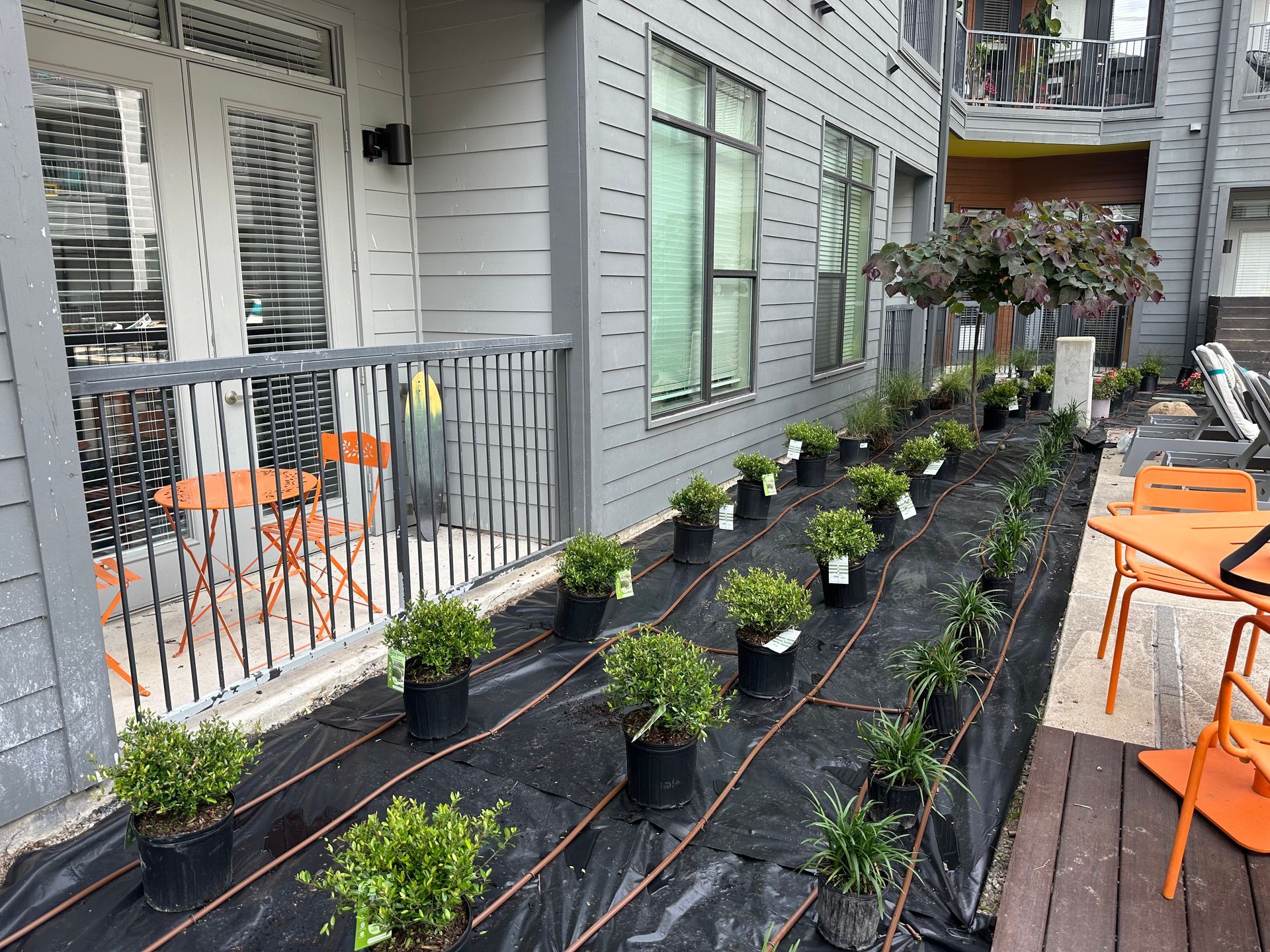
Drainage and Erosion Control Matter Too
Sustainability is not just about what gets planted. It is also about how water moves through the property. If a yard has drainage issues, standing water, runoff, or erosion, it is much harder to maintain a healthy and efficient landscape.
That is one reason drainage should be part of the conversation early. At 7 Kings Landscaping, we also provide erosion control and drainage solutions because water damage and runoff can affect not only the appearance of a yard but also the stability of planting areas and the condition of the soil.
Better drainage supports healthier roots, reduces washout in beds, and helps protect the investment you are making in the property. Sustainable landscaping works best when the entire system is considered, not just the surface-level design.
Sustainable Landscaping Is About Long-Term Results
One of the reasons we like talking about sustainable landscaping practices is that they usually lead to better long-term outcomes. Homeowners often assume sustainability means sacrificing convenience or appearance, but in many cases it actually means fewer recurring problems.
A landscape built around water conservation, stronger soil health, and more practical plant choices is often easier to maintain over time. It can reduce waste, help protect the property during hot weather, and create a more stable foundation for the lawn and landscape as a whole. Texas A&M AgriLife’s landscaping and water-conservation resources also emphasize best management practices for residential landscapes that protect water quality and improve performance over time.
For Austin homeowners, that makes these ideas especially relevant. The right strategy is not about following a trend. It is about creating a yard that fits the region, supports your property, and works better season after season.
Let’s Build a More Sustainable Yard for Your Austin Home
At 7 Kings Landscaping, we believe sustainable landscaping practices should be practical, attractive, and tailored to Austin conditions. Whether you want to improve irrigation efficiency, address drainage issues, refresh your plantings, or create a more eco-friendly yard from the ground up, our team is here to help.
Contact us today to talk about how we can build a healthier, more water-wise landscape for your property.