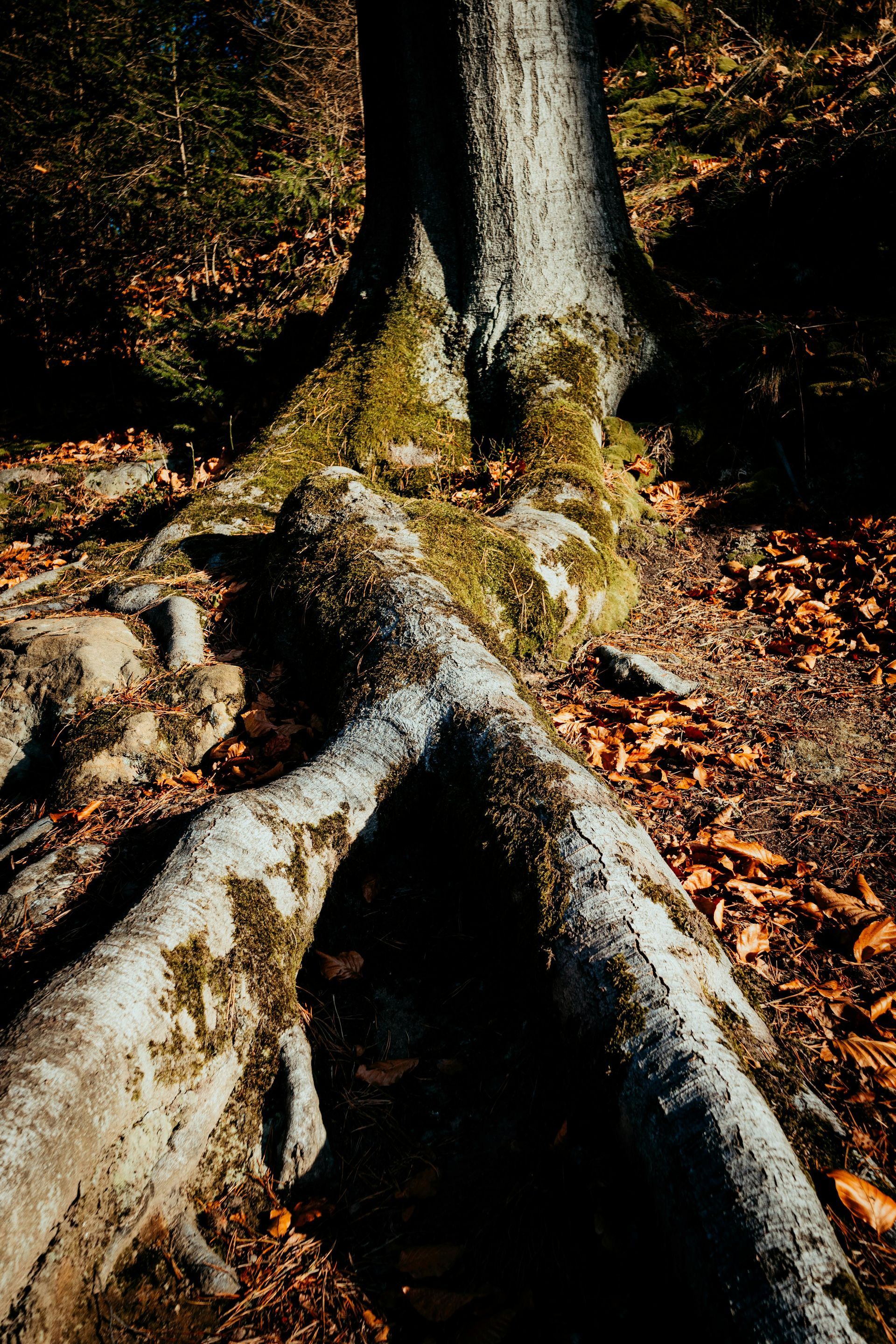
Tree Root Damage: How to Protect Your Property Before It’s Too Late
Trees add beauty, shade, and long-term value to your property. But beneath the surface, roots can quietly create serious structural problems. What begins as natural growth can turn into cracked concrete, shifting foundations, and costly repairs.
At 7 Kings Landscaping, we regularly help homeowners address and prevent tree root damage before it leads to expensive consequences. Understanding how roots grow — and how to manage them properly — is key to protecting your home.
Here’s what every property owner should know.
How Tree Roots Cause Structural Problems
Tree roots don’t typically “attack” structures. Instead, they grow outward in search of moisture and nutrients. The issue arises when that growth interacts with hard surfaces and structural components. Most mature tree roots spread 2–3 times wider than the canopy. In urban and residential environments, that often means growing toward:
- Foundations
- Sidewalks
- Driveways
- Retaining walls
- Underground plumbing
As roots expand, they exert pressure. Over time, this pressure can cause foundation cracks, uneven concrete, and structural shifting. The damage is gradual — which makes it easy to ignore until the problem becomes obvious.
Common Signs of Tree Root Damage
Early detection can save thousands in repair costs. Watch for these warning signs:
1. Cracked or Shifting Concrete
Sidewalk lifting is one of the most common visible signs of root intrusion. Concrete slabs that once sat flat may become uneven or tilted.
2. Foundation Cracks
Small foundation cracks may seem harmless, but if tree roots are involved, the issue can worsen over time as roots continue to grow and shift soil.
3. Doors and Windows Sticking
If your doors or windows suddenly become difficult to open, shifting foundation pressure may be the cause.
4. Soil Heaving Near Tree Bases
Raised soil or visible root surfacing near hardscapes can indicate expanding root systems.
Addressing these early supports effective property damage prevention before structural repairs become necessary.
Why Sidewalks and Driveways Are Especially Vulnerable
Concrete surfaces are particularly susceptible because they lack flexibility. As roots grow underneath slabs, they apply upward pressure. This results in:
- Uneven walkways
- Tripping hazards
- Driveway cracking
- Patio displacement
Sidewalk lifting is not only unsightly — it can create safety risks and potential liability issues. Preventative landscaping strategies are far more cost-effective than replacing large sections of concrete.
The Link Between Tree Roots and Foundation Cracks
Many homeowners don’t realize that roots can indirectly contribute to foundation problems. There are two primary ways this happens:
1. Direct Pressure
Large roots growing near foundation walls can apply force against concrete over time.
2. Soil Moisture Changes
Roots absorb significant amounts of moisture from the soil. When soil dries unevenly around a foundation, it can shrink and shift — leading to foundation cracks.
This is especially common in regions with expansive clay soils. The combination of root growth and moisture fluctuation makes proper landscaping design critical for long-term property damage prevention.
Which Trees Are Most Likely to Cause Problems?
Some species are more aggressive than others. Trees known for invasive root systems often include:
- Fast-growing shade trees
- Species with shallow root systems
- Large canopy trees planted too close to structures
Planting distance matters. Even a well-behaved tree can cause tree root damage if placed too close to foundations or concrete surfaces.
How to Prevent Tree Root Damage
Prevention begins with planning and proactive maintenance.
Strategic Tree Placement
Before planting, consider:
- Mature root spread
- Distance from structures
- Soil type
- Drainage patterns
Planting trees too close to sidewalks or foundations significantly increases risk.
Root Barriers
Physical root barriers installed underground can redirect root growth away from vulnerable areas.
Proper Irrigation Management
Balanced watering helps reduce uneven soil shrinkage and expansion around foundations.
Regular Landscape Inspections
Routine evaluations can identify early warning signs before major damage occurs.
Effective property damage prevention always costs less than structural repairs.
What If Damage Has Already Started?
If you suspect tree root damage is already occurring, quick action is important. Professional landscaping assessments can determine:
- Whether roots are actively affecting structures
- If pruning is possible
- If a root barrier solution can be installed
- Whether removal is necessary
Tree removal is sometimes required, but it’s not always the first or only option. Removing a tree without addressing soil conditions can even cause further shifting. Every property requires a tailored solution.
Why DIY Root Cutting Can Make Things Worse
It may seem simple to cut exposed roots, but improper removal can:
- Destabilize the tree
- Cause tree death
- Lead to unpredictable regrowth
- Increase liability risk
Additionally, cutting major roots near foundations can accelerate structural shifting if done incorrectly. Professional evaluation ensures both the tree and your property remain safe.
Landscaping Design Matters More Than You Think
Many cases of tree root damage stem from poor original landscape planning. A thoughtful landscape design considers:
- Long-term growth patterns
- Structural proximity
- Drainage management
- Hardscape protection
Working with experienced landscaping professionals ensures trees enhance your property — rather than damage it.
Protecting Your Property Long-Term
Healthy trees and structural safety can coexist with the right approach. Proactive planning, proper spacing, and routine inspections all contribute to effective property damage prevention. Ignoring early signs of sidewalk lifting or foundation cracks only increases repair costs down the road. The goal is balance: preserving the beauty of your landscape while protecting the integrity of your home.
Protect Your Property from Tree Root Damage Before It Spreads
Tree root damage doesn’t happen overnight. It develops gradually, often unnoticed, until cracks widen and concrete shifts. Understanding the risks — and acting early — is the smartest way to avoid expensive structural repairs.With strategic planting, root management, and professional guidance, you can enjoy mature trees without sacrificing the safety of your property.
Schedule a Landscape Assessment Today
If you’ve noticed foundation cracks, uneven sidewalks, or visible root growth near your home, 7 Kings Landscaping can help. Our team provides professional evaluations and customized solutions designed to protect your property while preserving the beauty of your landscape.
Contact 7 Kings Landscaping today to schedule your property assessment and prevent costly damage before it escalates.